Table of contents
Fire safety has evolved dramatically in recent years, integrating advanced technologies and innovative solutions to offer heightened protection. Understanding the essentials of modern fire safety equipment can make a lifesaving difference in any environment. Dive into the following sections to discover how contemporary tools and systems are reshaping fire prevention, detection, and response strategies.
Fire detection systems explained
Modern fire detection systems encompass a diverse range of technologies designed to provide rapid and reliable early warning in various environments. Smoke detectors use either ionization or photoelectric sensors to sense airborne particles, with threshold sensitivity now finely tuned through microprocessor control, allowing the alarm system to respond quickly to even subtle changes in smoke density. Heat sensors, on the other hand, react to temperature changes and rate-of-rise phenomena, offering an effective layer of detection in environments prone to dust or steam. Multi-sensor alarms combine smoke and heat detection capabilities, increasing accuracy and minimizing false alarms.
Advancements in fire detection have led to remarkable improvements in both sensitivity and reliability. Modern systems now feature integrated alarm system components that communicate with other safety infrastructure, ensuring coordinated emergency responses. Remote monitoring capabilities allow fire protection engineers and safety teams to receive real-time updates from fire detection devices via secure networks, ensuring swift intervention. These integrated features enable facility managers to oversee multiple zones, adjust threshold sensitivity remotely, and verify the status of smoke detector and heat sensor units, all from a centralized control panel. This seamless connectivity and enhanced performance underscore the evolution of fire protection technology, making contemporary systems indispensable for safeguarding lives and property.
Modern fire suppression methods
Modern fire suppression technologies have evolved to address a wide range of scenarios, ensuring tailored solutions for various environments. Sprinkler systems remain the backbone of fire suppression, with specific types like the deluge system designed for high-risk areas such as chemical processing plants or power stations. In these setups, all sprinkler heads are open, delivering a rapid and thorough response in the event of a fire, making them suitable for spaces where a fast-spreading hazard exists. Gas suppression systems, in contrast, use inert or chemical gases to extinguish fires without damaging sensitive equipment, making them ideal for data centers, electrical rooms, or museums. These systems are highly effective in enclosed spaces where water-based solutions could cause additional harm to valuable assets.
Water mist solutions represent another innovative approach in fire safety equipment, offering a fine spray that cools flames and displaces oxygen at the fire source. They use significantly less water than traditional sprinkler systems, minimizing water damage while effectively controlling both visible and hidden fires. This makes water mist systems a smart choice for hospitals, hotels, and historical buildings, where both fire suppression and preservation of property are priorities. Understanding which fire suppression method to employ depends on a thorough risk assessment, considering the nature of the assets at risk and the specific environment to ensure optimal emergency response capabilities.
Regular maintenance is fundamental for all fire suppression equipment, from sprinkler systems and deluge systems to gas suppression and water mist solutions. Scheduled inspections, functional testing, and prompt repairs are vital for maintaining readiness and compliance with stringent regulatory standards set by authorities. Adhering to these protocols not only safeguards property and lives but also ensures that insurance requirements are met and that emergency response operations are effective when needed most. Selecting and maintaining the appropriate fire safety equipment, backed by expert guidance, provides robust protection in today’s increasingly complex risk landscape.
Portable firefighting tools overview
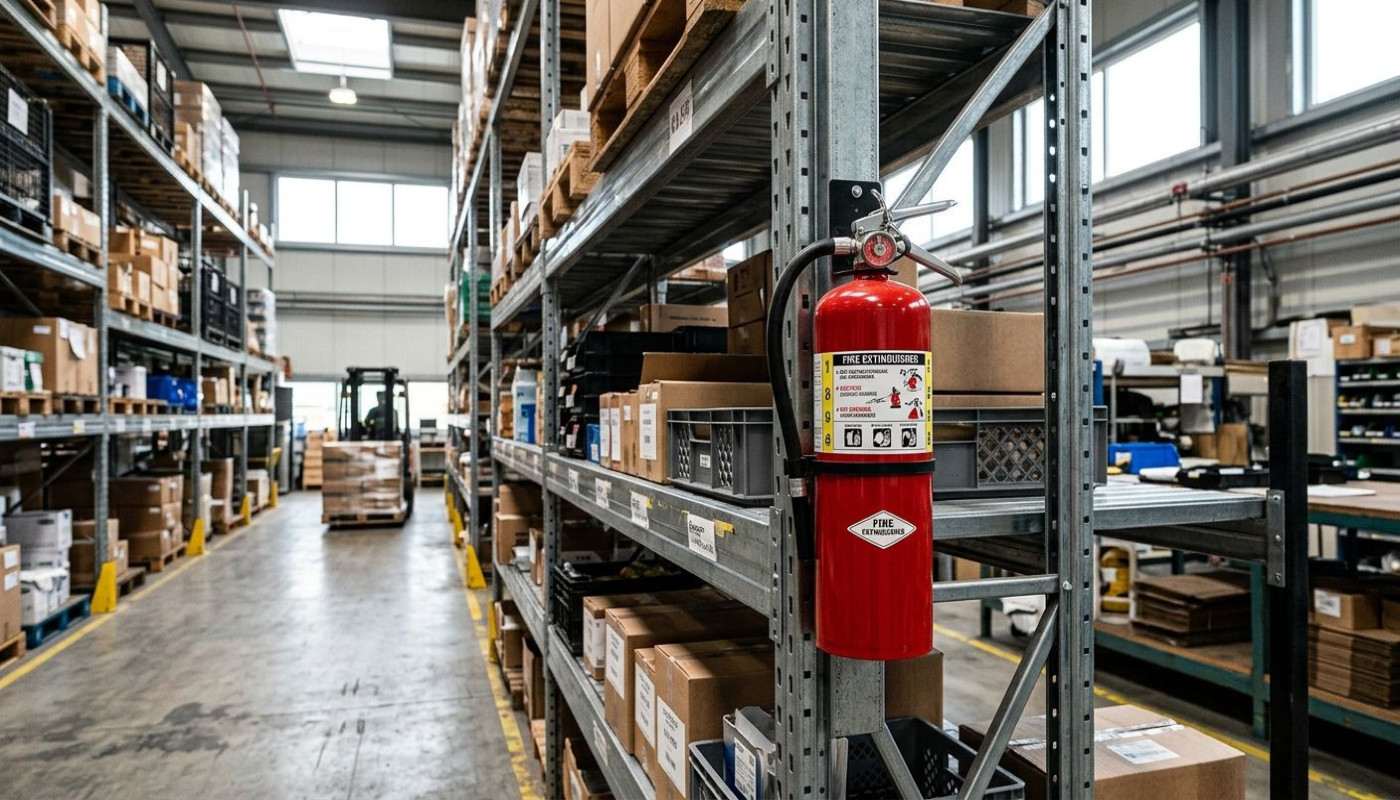
Portable fire equipment forms the foundation of rapid response during a fire emergency. A fire extinguisher is designed for different types of fires, classified under Class A, B, and C ratings: Class A for ordinary combustibles, Class B for flammable liquids, and Class C for electrical fires. Proper deployment involves removing the safety pin, aiming the nozzle at the fire's base, squeezing the handle, and sweeping from side to side until the flames are fully suppressed. In addition to extinguishers, the fire blanket provides a quick and effective way to smother small fires or wrap around a person whose clothing has ignited, cutting off oxygen and extinguishing flames swiftly. Safety gear such as heat-resistant gloves, helmets, and flame-retardant clothing protects users from burns, smoke inhalation, and falling debris, making their presence indispensable for anyone operating portable fire equipment.
Routine inspection protocols require that every piece of portable fire equipment—especially fire extinguishers and fire blankets—undergoes regular checks for accessibility, physical condition, pressure levels, and expiration dates. User competency is equally necessary, with thorough training covering correct tool selection, handling techniques, and scenario-based drills. Training often emphasizes the distinction among Class A, B, C ratings to avoid ineffective or hazardous responses in a fire emergency. Whether in commercial, residential, or industrial settings, ongoing education ensures that safety gear and all portable tools are used to their maximum potential, safeguarding both property and lives.
Emergency evacuation solutions
Modern emergency evacuation systems integrate a range of devices designed to streamline safe egress during fire or crisis situations. Illuminated exit signage is fundamental in guiding building occupants along the designated escape route, especially in environments where visibility may be compromised by smoke or power failure. In multi-story facilities, evacuation chairs are deployed to assist individuals with mobility challenges, ensuring that everyone has access to a safe means of egress. Voice communication systems further enhance safety by delivering clear, real-time instructions throughout the premises, reducing confusion and panic during emergencies. Each of these elements supports the need for efficient, accessible evacuation for all occupants, complying with established building codes and safety standards.
Regular fire drill exercises are essential for reinforcing the correct use of emergency evacuation equipment and familiarizing occupants with every available means of egress. Legal requirements mandate visible and unobstructed exit signage, operational evacuation chairs for those who need them, and reliable communication systems as core components of any robust evacuation plan. Furthermore, accessibility considerations ensure that persons with disabilities or limited mobility are not left behind in an emergency. Compliance officers and safety professionals must conduct routine inspections and training sessions to guarantee that each device functions correctly and every escape route remains clear. For more information about advanced evacuation solutions and compliance, visit casinos not on Gamstop.
Smart fire safety technology
Smart fire safety solutions are significantly enhancing protection strategies through technologies like networked detection, which allows for seamless communication between connected alarms, IoT fire system sensors, and centralized fire monitoring dashboards. These interconnected systems deliver an integrated response, instantly alerting occupants and emergency personnel across multiple zones. By aggregating real-time data, smart fire safety tools enable facilities to move beyond reactive measures—using predictive maintenance techniques that leverage analytics to flag potential issues before they become hazards. This data-driven approach not only reduces downtime and repair costs but also improves compliance and operational efficiency.
While the benefits of smart fire safety and IoT fire system deployment are undeniable, cybersecurity remains a key consideration. Connected alarms and networked detection devices can be vulnerable to cyber threats if not properly secured, making robust encryption protocols and regular software updates essential for maintaining system integrity. Integrating fire monitoring systems within larger building automation networks calls for strict access controls and continuous monitoring to prevent unauthorized access or manipulation. As advancements in predictive maintenance continue to evolve, ensuring both physical and digital safety becomes a dual priority for organizations committed to comprehensive fire protection.
Similar

The Hidden Psychology Behind Chasing Casino Welcome Bonuses

Exploring The Tech Behind Seamless Online Casino Experiences

Is The High RTP In Chicken-themed Slots Indicative Of Better Payouts?

Strategies For Overcoming Challenges In Regional Network Expansion

Exploring The Psychology Behind Mini-Game Addiction?

Unlocking The Secrets Of Crash Games: Strategies For Higher Returns

Exploring The Benefits Of White Label Casino Platforms

Exploring The Legality And Ethics Of Bypassing Self-exclusion Schemes?

How To Strategically Advance In Crash Games With Multiple Levels